

Puistokatu 4
What is it about?

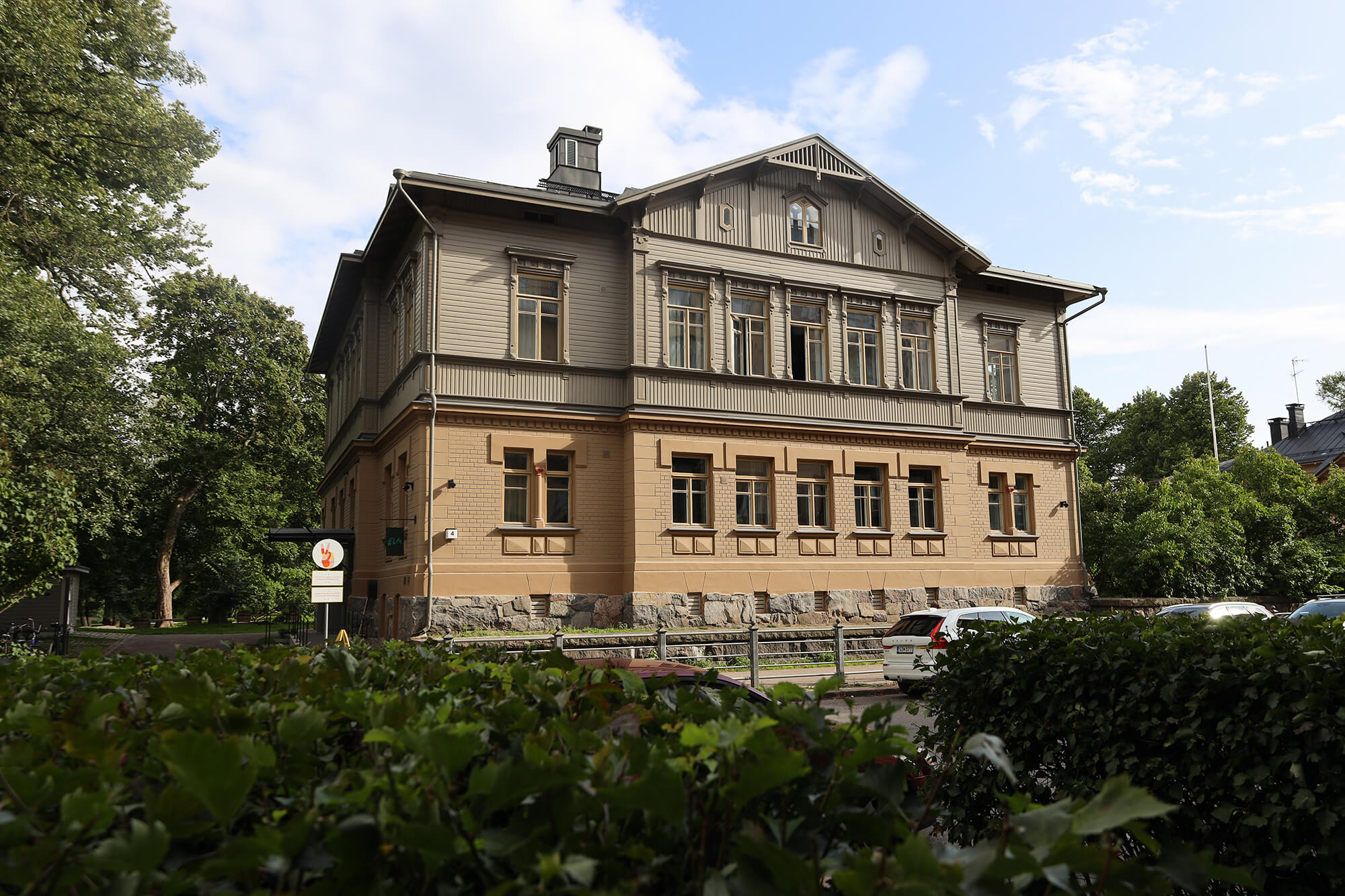
Welcome to Puistokatu 4, a Space for Science and Hope! Puistokatu 4, a beautiful 19th century villa located in the Kaivopuisto district in Helsinki, Finland, is a safe space for research, work and discourse on the current ecological crisis.

Every individual strives for a good life. For our good life we Finns – the happiest nation in the world – currently demand the resources of almost four planets. To bring our resource consumption within planetary boundaries, we must redefine what a good life means to us. For this, we need to change the norms that drive overconsumption.

In Puistokatu 4, we believe that the change happens between people and therefore we bring together different actors and serve as a platform for multidisciplinary research, collaboration, and events.

Our magic happens by operating on two levels:

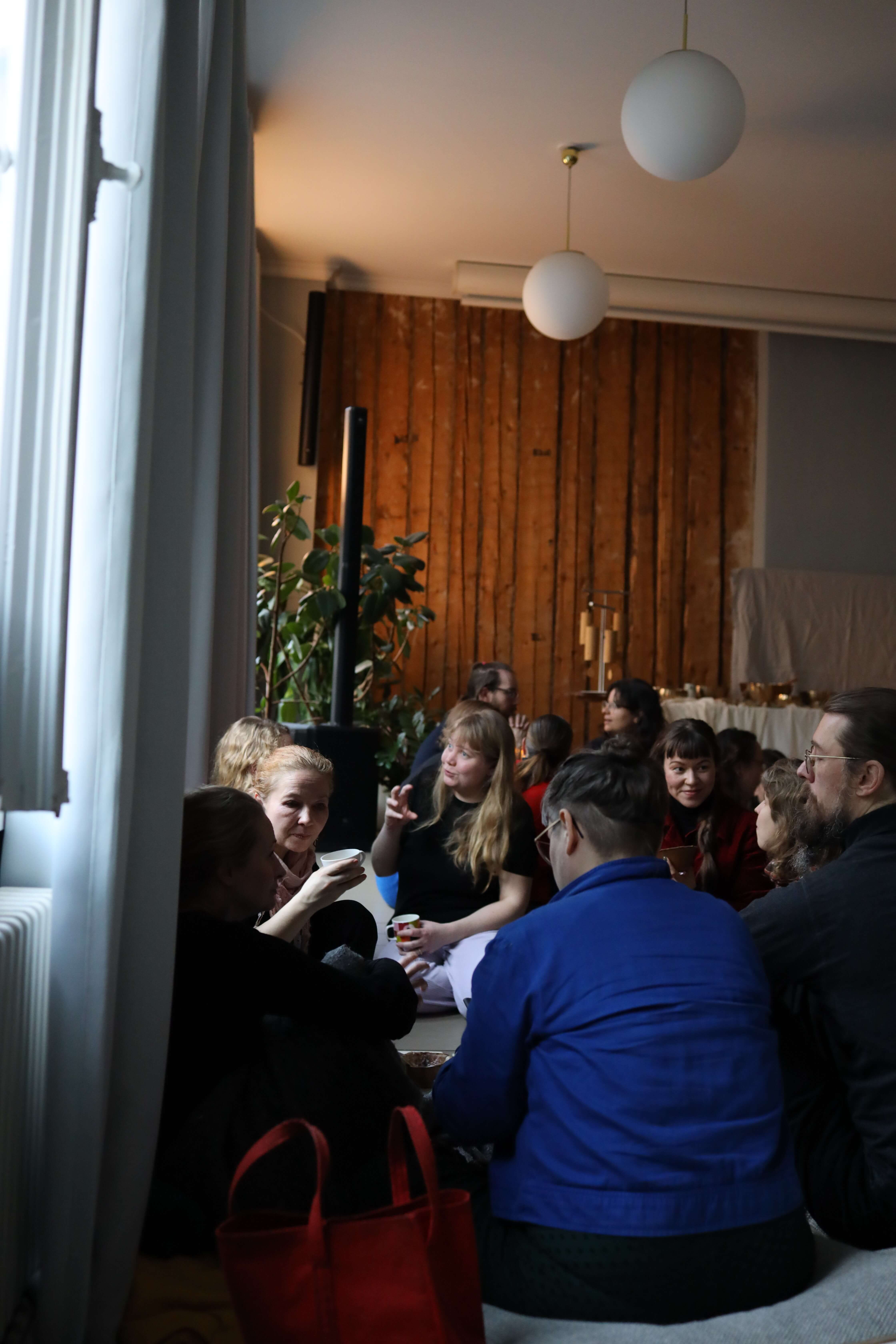
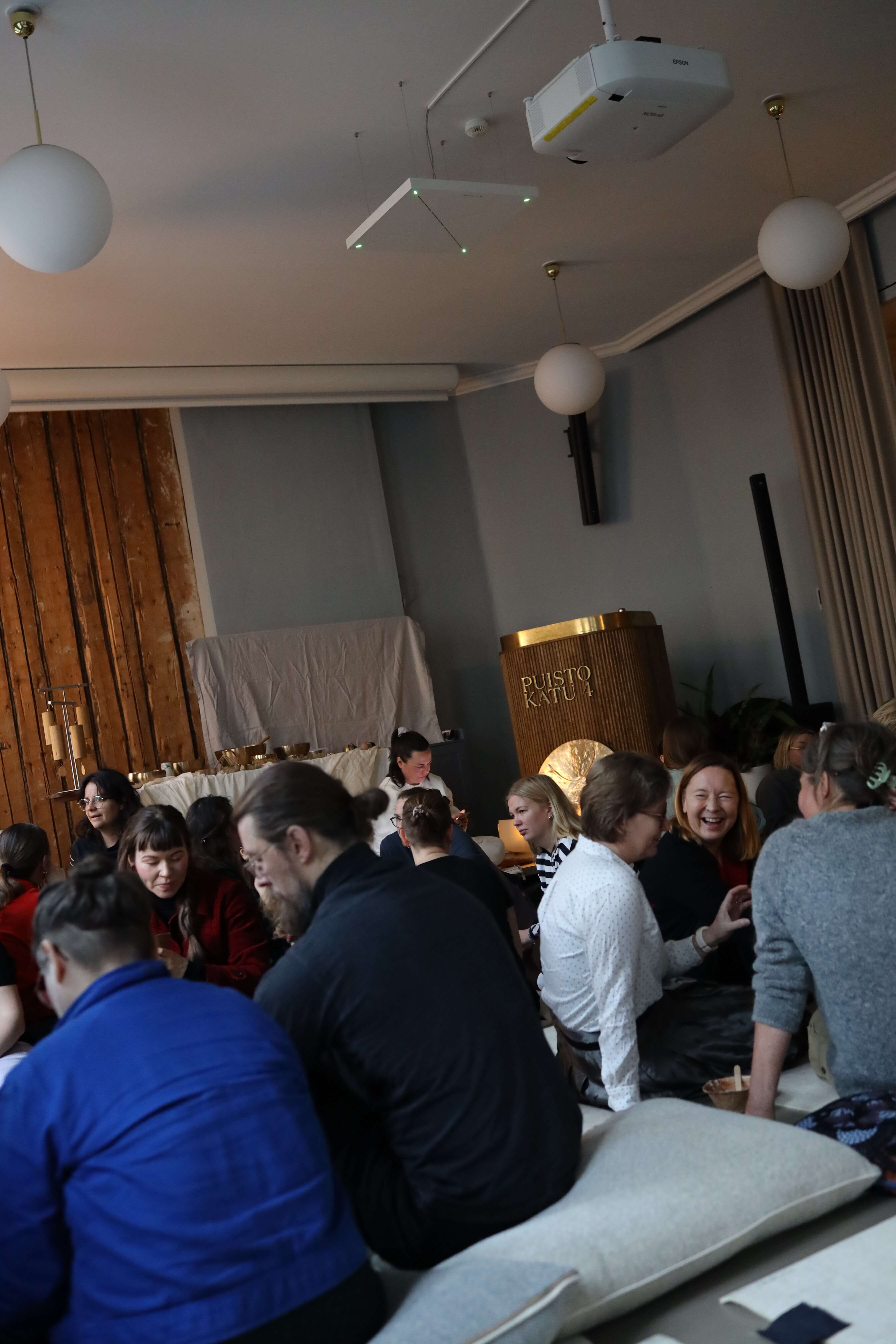
1) As a community of more than 80 individuals who share our vision and work together to achieve it. Our members are selected annually on the basis of applications. They represent researchers (currently from over 30 disciplines!), artists, business, foundations and NGOs. Our funders, the TAH Foundation and the Nessling Foundation, also have offices in the building.

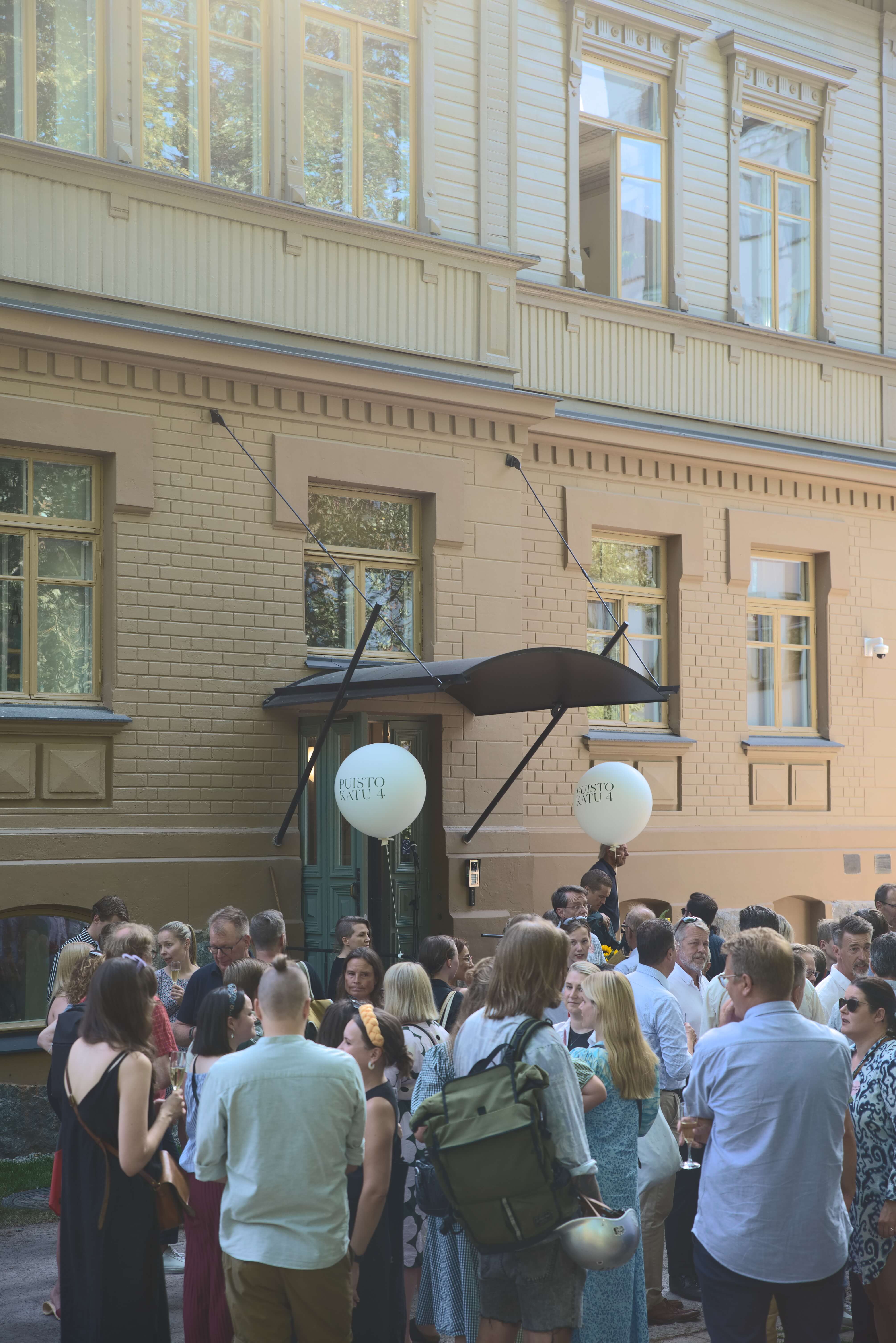
2) As a convener for all those who are even remotely interested in participating in a more ecologically sustainable future. We organize open events, rent out our premises to the envisioners of a more sustainable future, and keep the doors open to our library and the fabulous restaurant Elm on the first floor of the building

The premises of Puistokatu 4 have been renovated to make them accessible for all visitors.
“We want Puistokatu 4 to be a place where researchers can become active contributors to social discourse and where data backed by research can interact with the reality of various groups of people.”

Minttu Jaakkola, Executive Director of Puistokatu 4

“I would like people in various positions of power to examine the building blocks of the future and to share our thoughts and insights in peace. In the best case scenario, to become radical, at least with tiny steps!”

Anna Herlin, Head of Development of TAH Foundation
Strategy for 2026–2030

1. Background and purpose

The ecological crisis is an existential crisis for humanity. The root cause of the crisis is our lifestyle based on overconsumption and the norms, values, and worldviews that sustain it. Exceeding the biological, chemical, and physical limits of our home planet makes it an increasingly unstable and unpredictable place to live.

Puistokatu 4 was established to respond to this challenge through cultural change. It provides a physical space for collective thinking and action in an era marked by polarization and individualism.

Research shows that the main obstacle to this cultural change is not the inability of individuals to change in the face of ecological crisis, but a widely held misconception that other people are not ready for it. Puistokatu 4 seeks to break this assumption.

Puistokatu is funded in equal parts by The Nessling Foundation and TAH Foundation


2. Vision, mission, theory of change, and guiding principles

Vision

The vision of Puistokatu 4 is to normalize a good life within planetary boundaries.

Mission

The mission of Puistokatu 4 is to catalyze the cultural change necessary for an ecologically sustainable future by strengthening the agency of individuals.

Theory of change

At the core of Puistokatu 4’s theory of change is the idea that changes in our technologies, systems, and structures are ultimately based in individuals’ thinking and values. Therefore, Puistokatu 4’s theory of change focuses on influencing individuals’ thinking and, consequently, their behavior.

Guiding principles

Puistokatu 4’s four guiding principles define everything we do:

We are all connected to each other. We are connected not only to each other, but also to past and future generations – like we are connected to other species on our home planet. At Puistokatu 4, understanding this interconnectedness is the starting point for building an ecologically sustainable future.

Let’s hear each other’s realities. Our backgrounds and knowledge determine how reality manifests itself to each of us. An ecologically sustainable future requires the involvement of each and every one of us, which is why we invite individuals from different sectors of society to Puistokatu 4.

Cherish the incomplete. At Puistokatu 4, we encourage open-minded thinking that develops through encounters. We offer our community members and event visitors a safe space to challenge their worldviews. We ask: what would a good life within the limits of the planet look like, and what would your role in it be?

A researcher can change the world. We believe that empowering researchers has world-changing effects. Individual agency is amplified when you are held and supported by your community. This is the kind of community we build – not just a wonderful workspace for researchers and change-makers, but a network that fosters and uplifts its members.

Strategy for 2026–2030

3. Strategic priorities for 2026–2030

The volume of Puistokatu 4 (e.g., number of members and events) has grown steadily during its first three years of operation. In the coming five-year period, Puistokatu 4 will focus on deepening its activities and strengthening its capacity for change rather than on increasing its volume.

Puistokatu 4 will implement its strategy by operating as:

  • a physical community of researchers and actors
  • an event and program platform based on science
  • an influential communicator in virtual and physical arenas


3.1. Community of researchers and actors

The Puistokatu 4 community is a multidisciplinary and multisectoral group consisting of researcher and agent members selected through an annual application process, as well as our constantly growing alumni network.

Fostering community and uplifting its members is at the heart of Puistokatu 4. The wellbeing, motivation and agency of our members is coded into our culture and practices, which we share freely for use in other organizations and communities.

Community members carry the Puistokatu message to their respective circles, thereby amplifying the visibility of Puistokatu on a larger scale. This impact is monitored through annual surveys, alumni questionnaires as well as qualitative feedback.


3.2. Program

The Puistokatu 4 program brings together different target audiences around our vision. The program aims 1) to integrate research data to different levels of society in new and surprising ways and 2) to encourage individuals from different sectors to participate in building a good life within planetary boundaries.

The program is always based on research and is implemented both at Puistokatu 4 and by participating in our partners’ events. The program’s reach is expanded through strategically selected partners.

The impact of the program is assessed on the basis of visitor numbers, participant diversity, and feedback surveys.


3.3. Communication

Puistokatu 4’s communication raises awareness of Puistokatu 4, promotes the impact of the community and the program, and inspires people to act in line with Puistokatu 4’s vision. Puistokatu 4’s communication channels include a website, various social media channels, a newsletter and traditional media.

The effectiveness of communications is assessed on the basis of an annual visitor analysis and feedback survey of the communication channels, as well as by monitoring Puistokatu 4’s media coverage.


4. Implementation and monitoring of the strategy

The implementation of the strategy is specified in the annual action plan. The implementation of the strategy is reported in the annual report.

The strategy has been drawn up as a framework for Puistokatu 4’s team and for the foundations that finance Puistokatu 4. It serves as a basis for decision-making and long-term development of Puistokatu 4.

“Puistokatu 4 is Nessling Foundation’s investment in an active generation of researchers and cultural change towards a good life within planetary boundaries. It strengthens cooperation between researchers and agents and makes research a communal force for building a sustainable future.”

Iina Koskinen, Science and Executive Director of Nessling Foundation
“At the TAH Foundation, we believe that what is needed now is a shared goal for a sustainable transition and an understanding of what a good life within the planetary boundaries means. Puistokatu 4 is making this goal a reality by bringing together political decision-makers, researchers, businesses, and active citizens. Meaningful encounters and researched knowledge have the power to change the world. Puistokatu 4 is also a powerful example of effective foundation cooperation, which I hope will inspire work to build an ecologically sustainable future both in Finland and around the world.”
Henna Hakkarainen, Executive Director of TAH Foundation
History of the house

The first version of Puistokatu 4 was completed 140 years ago, as Carl Henrik Nummelin, engineer and cartographer, had the house built for himself in the late 1870s. However, it was soon completely destroyed by fire in 1886.

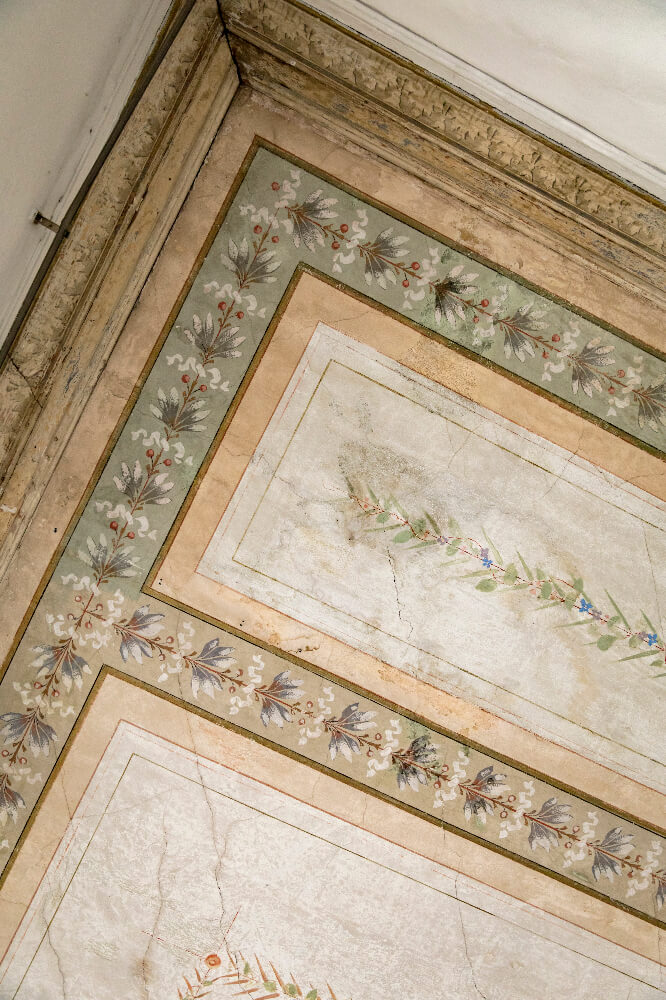
The villa, as it is now, was erected on the same site in the early 1890s. The new inhabitants were Ida Aalberg, the most famous actress of her time, and her spouse, lawyer Lauri Kivekäs.

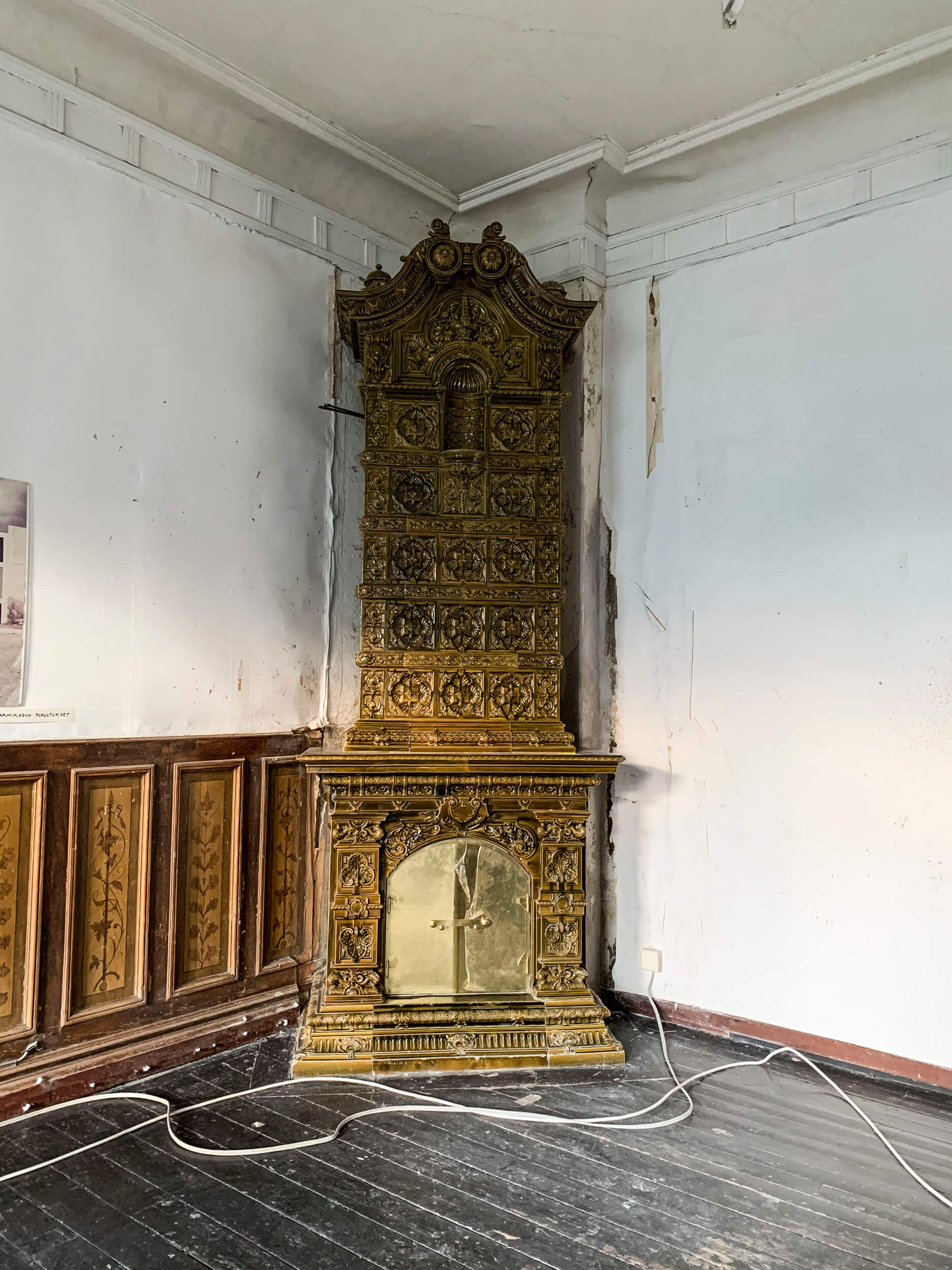
After being a private residence for a few decades, the villa was converted into a school building in 1916. At first, it housed the private Svenska Samskolan school and then the French school and kindergarten.

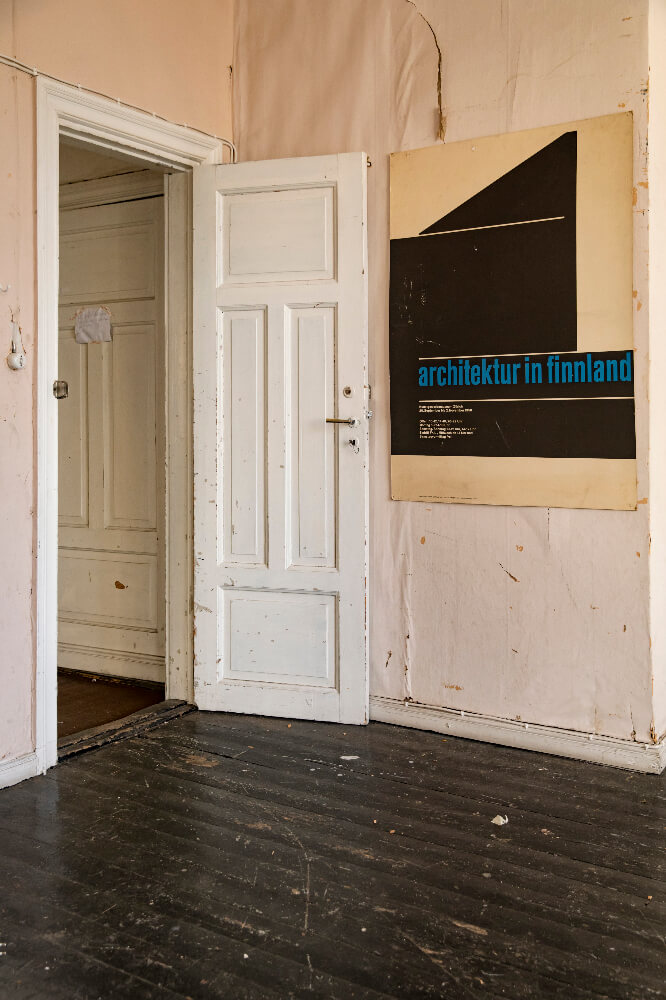
The Foundation for the Museum of Finnish Architecture leased Puistokatu 4 from the City of Helsinki in 1959. For the next several decades, the villa housed the exhibitions and offices of the Museum of Finnish Architecture.

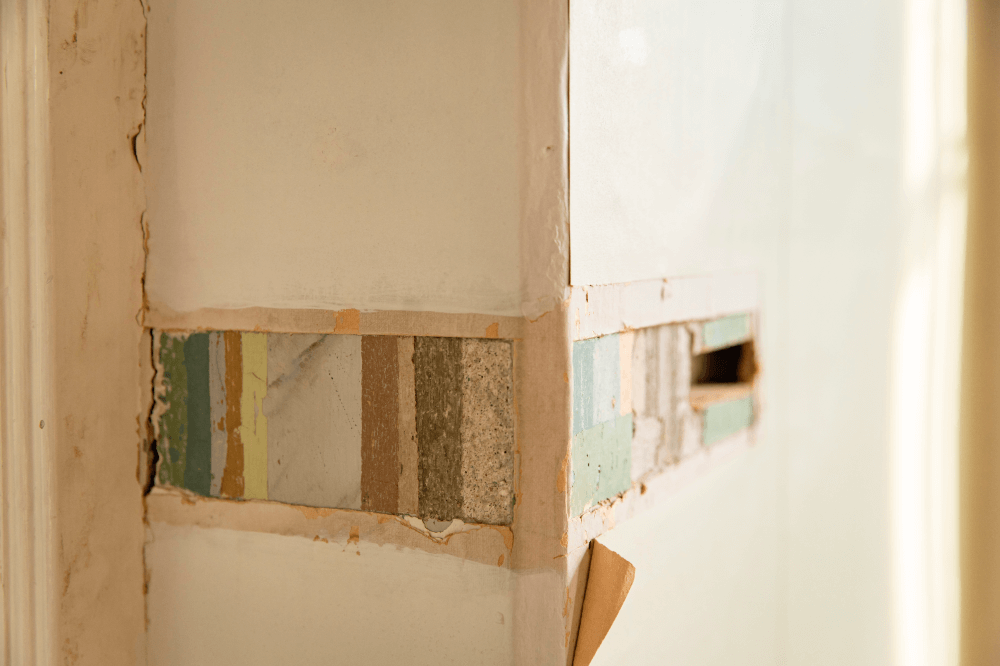
By the 2000s, the house began to suffer from moisture damage and decay in the structures. The extensive refurbishment that the house required was too costly for the Museum of Finnish Architecture, and eventually the museum moved out.

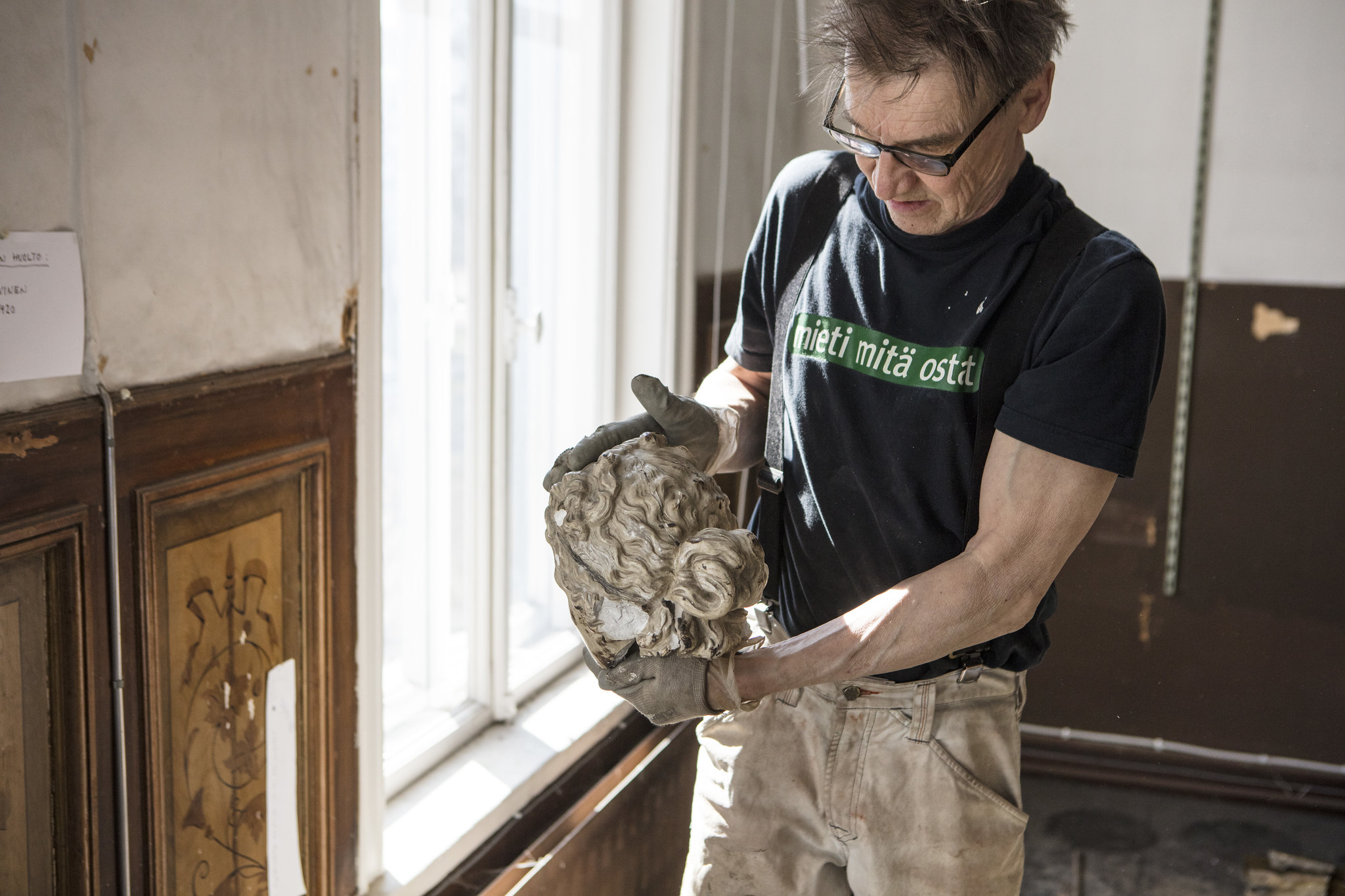
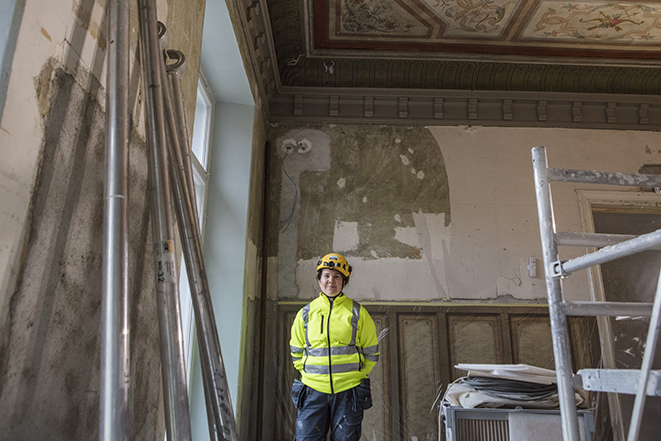
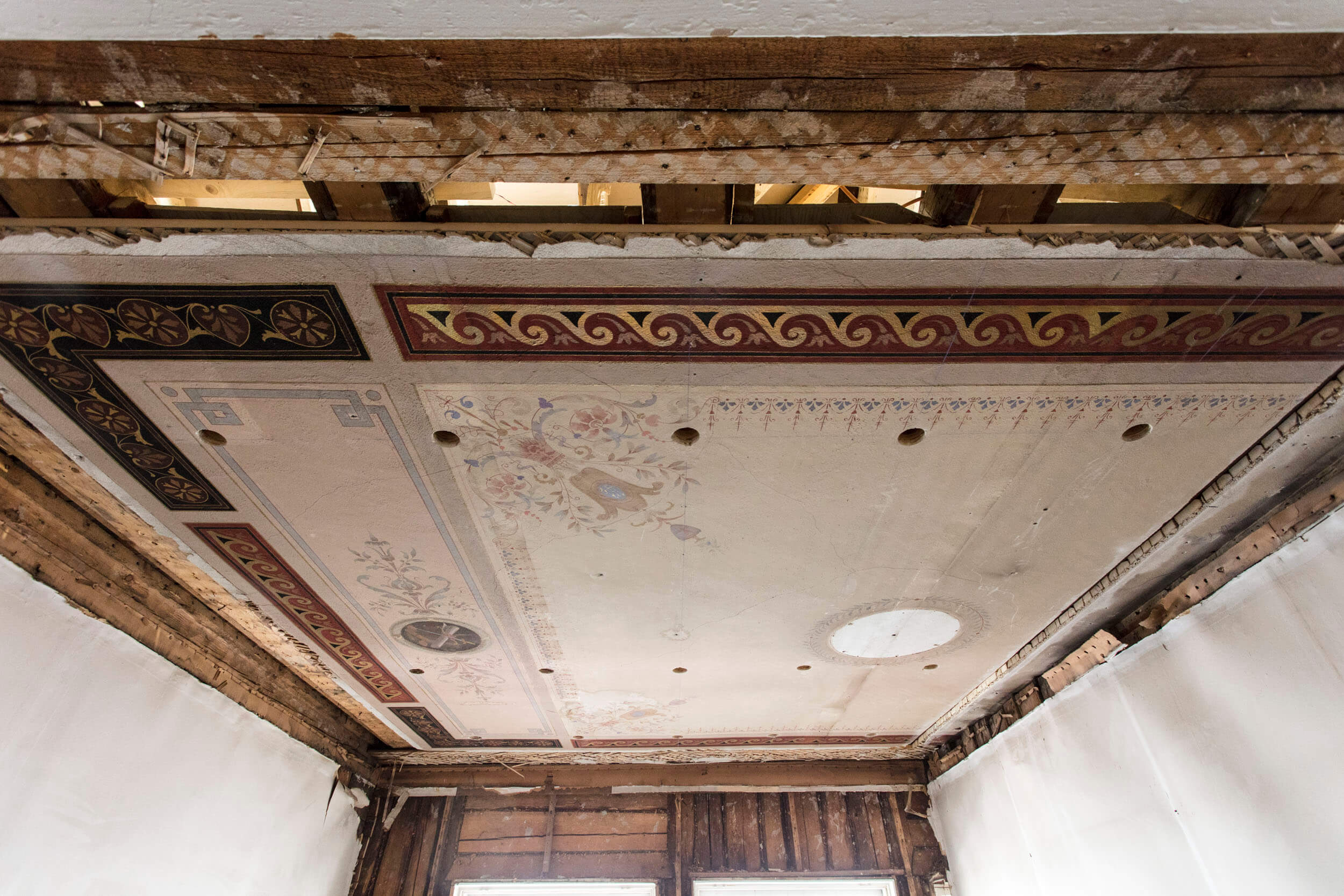
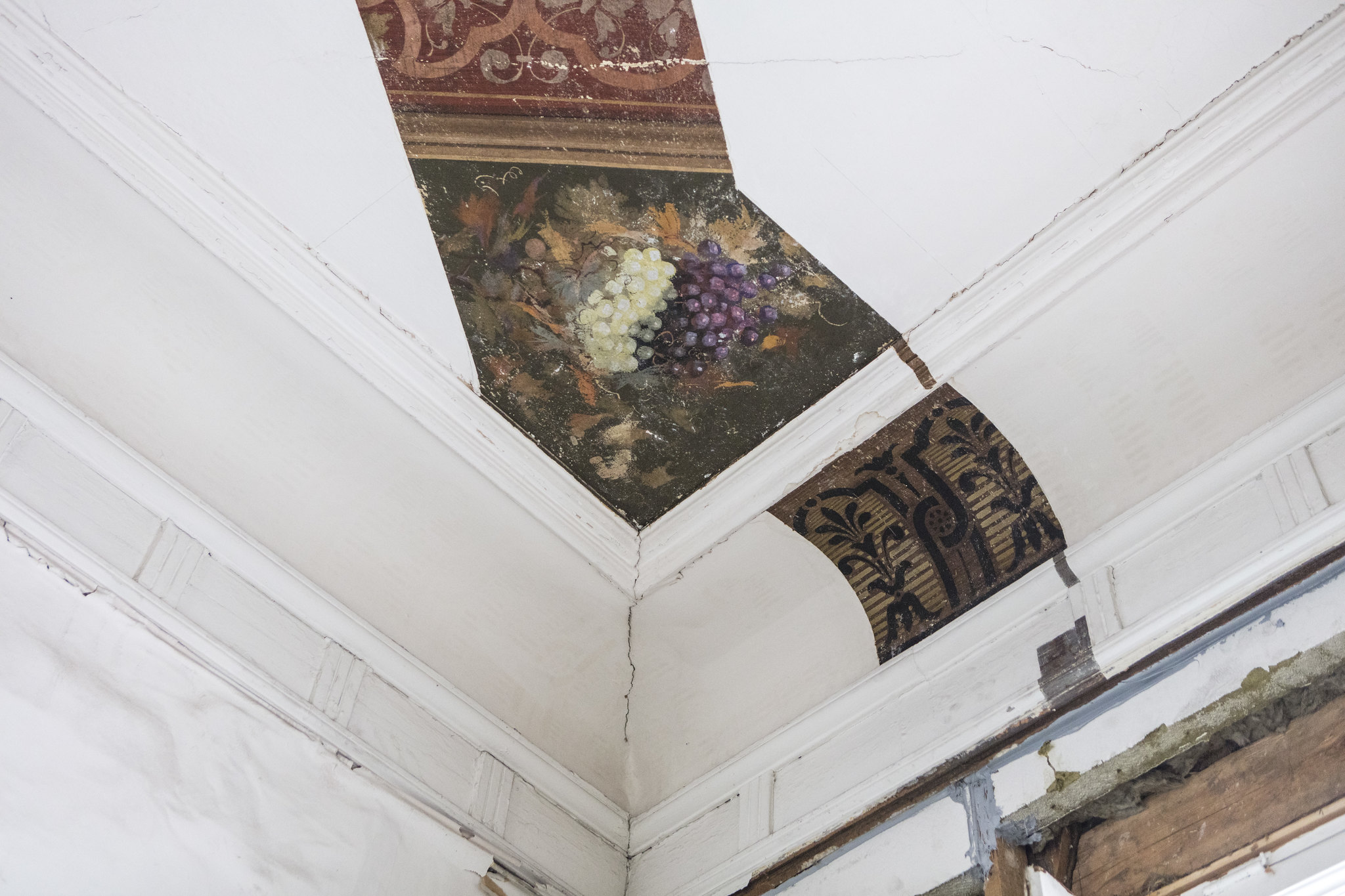
The building stood almost completely empty for years until in January 2020 TAH Foundation bought it. The renovation began in autumn 2020 and was completed in summer 2022.

Read more about the history of the house and the renovation in the  report of the history of the Puistokatu 4 building and its architecture by Livady Architects!